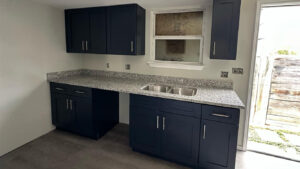
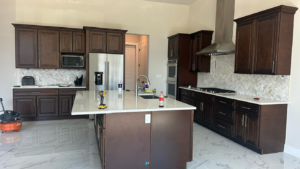
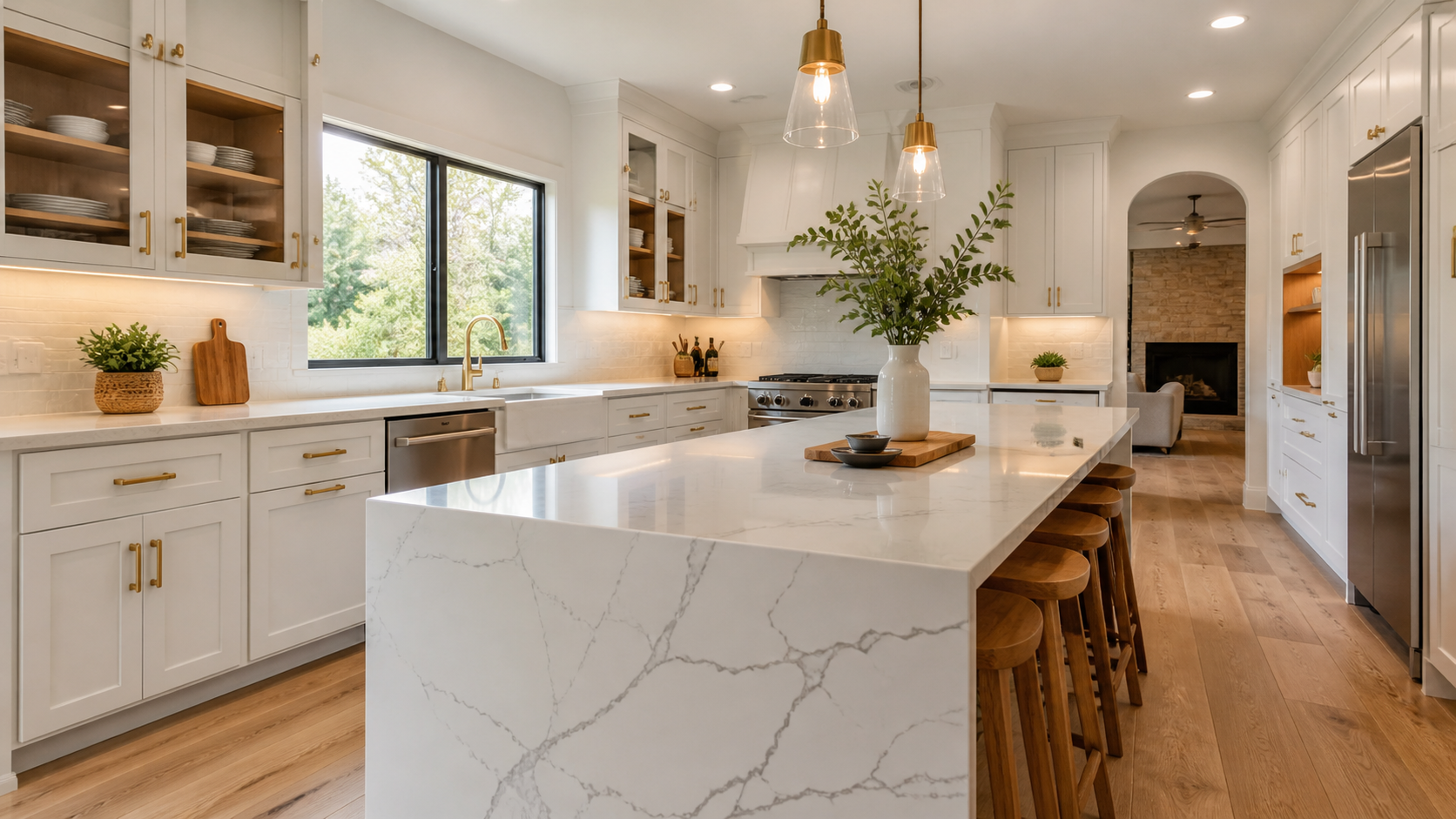
San Antonio Kitchen Countertop Installation: A Complete Guide to Getting It Done Right

Why Most Homeowners Focus on the Wrong Thing When Replacing Countertops

Most people spend their entire budget decision agonizing over slab color and finish. The installer? An afterthought. That’s a problem — because a beautiful $7,000 slab and a mediocre installer is still a bad outcome. You’ll see it in the seams. You’ll feel it in the edges. You’ll notice it every single time you walk into that kitchen.

This guide is about the part nobody talks about enough: what a proper countertop installation in San Antonio actually involves, what makes one fabricator meaningfully better than another, and the questions worth asking before any contract gets signed.


The Financial Reality of a Bad Countertop Job

A full kitchen countertop replacement in San Antonio — material and labor combined — isn’t a casual purchase. Entry-level granite projects can easily reach several thousand dollars. A larger kitchen with premium stone? Expect $6,000 to $10,000 or more before it’s done.

And yet, homeowners who would never buy a car without test-driving it will routinely hand a five-figure project to the lowest bidder without a single follow-up question.

Shoddy installation doesn’t hide. Misaligned seams, uneven edges, sink cutouts with visible gaps, stone that cracks because someone skipped structural support — these are real outcomes from real projects across San Antonio. Some of them can be corrected. Many can’t be without ripping everything out and starting again.

The most effective way to protect that investment is simple: understand what quality installation actually looks like, know what to ask ahead of time, and choose the right team before the first measurement is taken.


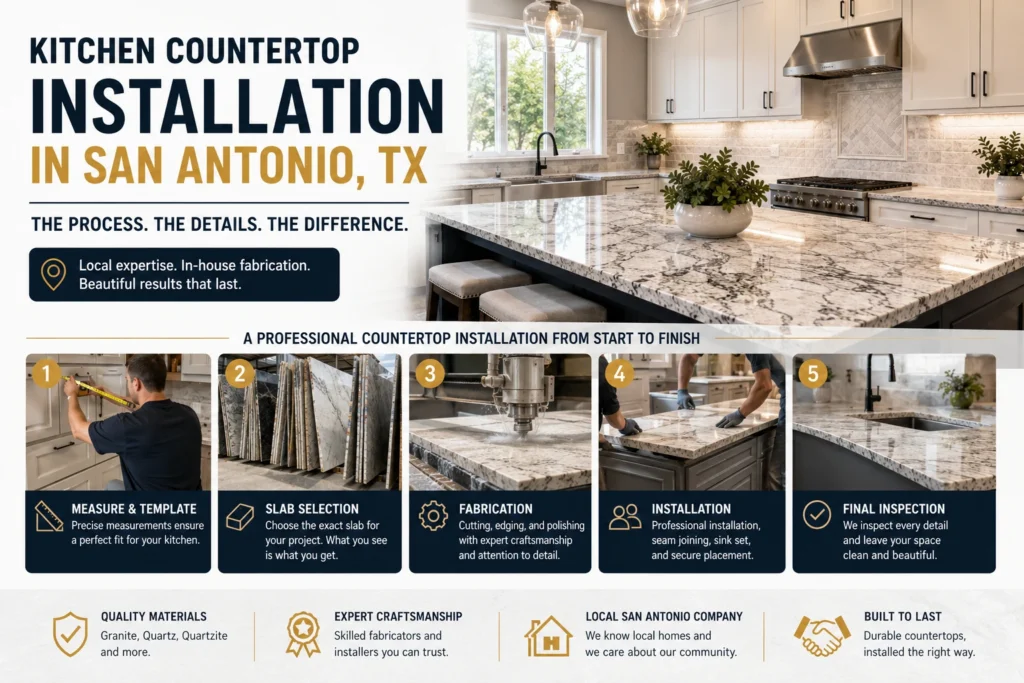
A Step-by-Step Look at How Professional Countertop Installation Works

If this is your first countertop replacement, the process probably has more steps than you’re picturing. Here’s what a professional countertop installation in San Antonio should look like from the first visit to the final walk-through.

Step 1 — Precision Measurement and Templating

Everything starts with a technician visiting your kitchen to capture exact measurements — a process called templating. It sounds routine. It isn’t.

San Antonio homes, especially older ones, tend to have walls that aren’t perfectly plumb and cabinets that have shifted over decades. An experienced technician accounts for all of it, because the template is literally the pattern your stone gets cut to. Get it wrong here and nothing fits right later. Many professional shops now use digital laser templating, which cuts down on human error considerably. It’s worth asking which method a company uses.

Step 2 — Reviewing and Approving Your Actual Slabs

For natural stone — granite, quartzite, or marble — there’s no substitute for seeing your specific slabs in person before they’re cut. A showroom tile sample tells you almost nothing. Two slabs labeled the same grade and color can look dramatically different in real life. Visit the warehouse, look at what they’re planning to cut for your kitchen, and give written approval before fabrication starts. What you see is what you get.

Step 3 — Fabrication: Where Craftsmanship Shows Up

After templating and slab approval, the stone goes to the fabrication floor to be cut, edged, and polished. Edge profiles are shaped at this stage. Sink and appliance cutouts are made here too. These details are visible every day in your finished kitchen — they can’t be touched up later. This is where the skill level of the fabricator either shows or doesn’t.

Step 4 — Installation Day

For most standard kitchens, installation runs one day. The crew removes your old countertops, sets the new stone on the base cabinets using adhesive, and joins any seams as cleanly as possible. Undermount sinks are anchored to the underside of the stone. Once everything is set, caulk is applied along the wall where the counter meets the backsplash.

Step 5 — Final Walk-Through Before the Crew Leaves

A professional installation ends with the crew cleaning up the workspace and walking through the finished kitchen with you — before anyone leaves. Use that time. Look at the seams, check the edges, inspect the sink cutout. If something isn’t right, that’s the moment to raise it. Once the truck pulls away, your leverage drops significantly.


Why the Company You Choose Matters More Than the Material

Two kitchens can use the exact same granite slab and look completely different after installation. That isn’t a coincidence — it’s the difference in who did the work.

In-House Fabrication vs. Outsourced: Why It Changes Everything

The single biggest quality differentiator is whether a company fabricates stone themselves or sends it to a third-party shop. When fabrication is done in-house, one team controls the process from measurement to installation. They know exactly how each slab was handled, how seams were planned, and what to expect on installation day. When fabrication is outsourced, accountability gets split — and if something arrives wrong, you’re often caught in the middle of a dispute that slows everything down.

What Local San Antonio Experience Actually Buys You

There’s a real difference between a company that has been working in San Antonio for years and a crew flown in from out of state. Local fabricators know the quirks of homes in this market — older cabinetry that needs reinforcement, how the region’s heat and humidity interact with different stone types over time, the construction styles you’ll find across different neighborhoods in Bexar County.

A team that has completed hundreds of installations across Stone Oak, Alamo Heights, Helotes, and New Braunfels brings institutional knowledge you won’t find on a national franchise’s website.


Granite Countertop Installation in San Antonio: What You Should Know Going In

Granite remains one of the most popular countertop choices at San Antonio fabrication shops — and for good reasons. It performs well in a working kitchen, adds genuine resale value, and looks like nothing else. But there are a few installation-specific details worth understanding before you commit.

Seam Placement, Slab Weight, and Sealing — The Details That Matter

Seam strategy isn’t optional. Most larger kitchens will have at least one seam. An experienced fabricator plans seam placement before cutting — positioning them near sinks or appliances rather than across open stretches of countertop. Less experienced installers make this decision reactively, and it shows.

The weight is significant. Standard 3/4-inch granite runs roughly 13 pounds per square foot. A 40-square-foot kitchen counter is more than 500 pounds of stone. Your base cabinets need to be in solid structural shape, and your installation crew needs to have moved heavy stone many times before. This isn’t the place for on-the-job learning.

Sealing is part of the job, not an add-on. Any professional granite installation includes a sealer application. If it’s listed as a separate line item on your quote, ask why. If the answer doesn’t satisfy you, move on.


Quartz Countertop Installation in San Antonio: How It Differs From Natural Stone

Engineered quartz follows the same general installation steps as granite — but the material behaves differently, and a good installer will know the difference.

Quartz vs. Granite — What Changes During Installation and After

Because quartz is manufactured to controlled specifications, slabs are more consistent than natural stone. Seam matching is more predictable, and since quartz is non-porous, sealing isn’t required — that’s one less step during installation and one less ongoing maintenance task for you.

The trade-off is heat sensitivity. The polymer resins in quartz can discolor or warp under sustained heat. A qualified installer will tell you this upfront and recommend trivets or heat pads for areas near the cooktop. If they don’t mention it without being asked, that’s worth noting.

Brand selection matters more with quartz than it does with natural stone. Silestone, Caesarstone, Cambria, and MSI are established manufacturers with consistent quality and real warranties. Discount off-brand quartz introduces manufacturing variability that even skilled installers can’t compensate for. Work with a local San Antonio supplier who carries reputable brands and can show you what you’re actually buying.

Looking for a full kitchen remodeling service in San Antonio? Cabinet Bazaar handles cabinets, countertops, and installation under one roof.

Edge Profiles, Cutouts, and the Details That Separate a Good Job From a Great One

The material is what people notice first. The details are what they live with every day.

Edge Profiles: Your Options and What Works Where

  • Eased edge — Clean, straight, and slightly softened at the corners. Works in nearly any kitchen style and is the most popular choice.
  • Beveled edge — A defined angle along the top edge. Similar to eased but adds a bit more visual character.
  • Bullnose — Fully rounded from top to bottom. A timeless profile that still looks at home in traditional kitchen designs.
  • Ogee — A flowing S-curve. Formal and detailed; best suited for kitchens with a more traditional or ornate design language.
  • Waterfall — The stone extends vertically down the side of the cabinet to the floor. Most effective on islands where the profile is visible from multiple angles.

Sink and Cooktop Cutouts: Where Precision Matters Most

An undermount sink installation requires precise cutout dimensions, a polished inner edge, and a secure bond between the stone and the sink rim. It’s technically more demanding than a drop-in cutout, and it needs to be done by a fabricator who has handled it hundreds of times.

The same precision applies to cooktop cutouts. The opening must match the appliance specifications exactly — not approximately. Make sure your fabricator is working from the actual spec sheet for your cooktop, not an estimate.

One upgrade worth considering: having the backsplash cut from the same slab as the countertop. It creates a continuous stone run from counter to wall that looks intentional and polished. It adds to the project cost, but it’s the kind of detail that still reads well years later.

Browse our cabinet styles for San Antonio kitchens to find the right finish to pair with your countertop.


How to Get Your Kitchen Ready Before the Crew Arrives

A little preparation on your end makes installation day run faster and with fewer headaches.

Clear the countertops entirely — every appliance, every dish, every item needs somewhere else to be before the crew shows up. Empty the cabinets directly below the counters too; vibration from demo can shift things around inside.

Sort out the plumbing question in advance. Some countertop installers handle sink disconnection and reconnection; others require a licensed plumber for that part. Find out before installation morning, not during it.

Plan for 24 to 48 hours before the kitchen is fully back in service. Adhesives and caulk need time to cure before the sink is under full water pressure. It’s a minor inconvenience with a defined end date — just build it into your schedule ahead of time.


What to Ask Before You Hire a Countertop Company in San Antonio

Most homeowners go into contractor conversations without nearly enough questions. These are the ones worth asking out loud:

Do you fabricate in-house or send it out? In-house fabrication means a single team owns quality from start to finish. Outsourcing splits accountability — which matters most if something goes wrong.

Can I see my actual slabs before they’re cut? For natural stone, any reputable company should offer this. If they won’t, that’s worth taking seriously.

What’s included in the installation quote? Get clarity on templating, fabrication, installation, sealing, sink cutout, and old countertop removal. Know what’s included and what’s billed separately before you sign anything.

What does your installation warranty cover? Ask specifically what happens if a seam separates or a cutout chips within the first year. A company that stands behind its work has a clear answer to this question.

How long have you been working in San Antonio? Local tenure means a local track record. Ask, then verify through independent Google reviews before you decide.


Cabinet Bazaar — San Antonio’s Local Countertop Fabricator

Cabinet Bazaar is a San Antonio-based kitchen and countertop company offering granite, quartz, stone, and custom countertop solutions for homeowners throughout the city and the surrounding communities of Bexar County.

When you work with a local company, you’re dealing with the actual people doing the work — not a national call center routing your project through a regional hub. The team that quotes your job is connected to the team that installs it.

In-house fabrication means your countertops are cut and finished locally. You can visit to see your slabs, approve the layout, and confirm what’s going into your kitchen before a single cut is made. And without the overhead structure of a national chain, Cabinet Bazaar offers premium materials at competitive prices.

Whether you’re doing a full kitchen remodel or a countertop-only replacement, Cabinet Bazaar serves homeowners throughout San Antonio, Helotes, Stone Oak, Alamo Heights, New Braunfels, and the surrounding communities across Bexar County.

Ready to see what’s available? Contact Cabinet Bazaar for a free quote and take a look at the current stone selection in person.


Frequently Asked Questions About Countertop Installation in San Antonio

How long does the installation actually take? Installation day itself typically runs one day for a standard kitchen. From the initial measurement to completed install, most projects wrap up within one to three weeks depending on material availability and the fabrication schedule.

Does the old countertop have to be removed before the crew arrives? No — removal of the existing countertop is typically part of the installation service. Just confirm it’s included in your quote before signing.

What’s the typical lead time for granite vs. quartz in San Antonio? Both materials are generally available within one to two weeks. Specialty slabs or high-demand patterns may take longer depending on the supplier’s current inventory.

Can new countertops go directly over existing tile? In most cases, no. Tile countertops should be removed first. The uneven surface creates problems with stone support and seam alignment that can’t be worked around.

How long after installation before the kitchen is fully usable? The counter surface is ready right away. Plan to wait 24 to 48 hours before running the sink at full water pressure — that’s the cure window for the adhesive and caulk.

Does Cabinet Bazaar offer free countertop quotes in San Antonio? Yes. Cabinet Bazaar provides free in-home or showroom consultations and quotes for countertop installation throughout San Antonio and the greater Bexar County area.

Which areas around San Antonio does Cabinet Bazaar serve? Cabinet Bazaar serves homeowners throughout the San Antonio metro, including Helotes, Stone Oak, Alamo Heights, New Braunfels, and communities across Bexar County.

Kitchen Countertop Installation in San Antonio, TX — What to Expect and How to Get It Right

The Real Cost of Getting Countertop Installation Wrong

Kitchen countertops aren’t cheap. Even at entry-level granite pricing, a full kitchen replacement in San Antonio runs several thousand dollars once material and installation are factored in. At the high end, you’re looking at $6,000–$10,000 or more for premium stone in a larger kitchen.

That kind of investment deserves to be handled right. And yet a surprising number of homeowners focus entirely on material selection and treat the installer as an afterthought. That’s where things go sideways.

A countertop installed by someone who doesn’t know what they’re doing will show it — in seams that don’t align, edges that aren’t level, cutouts that leave visible gaps around the sink, and stone that wasn’t properly supported and eventually cracks. None of those problems are cheap to fix after the fact.

Understanding the process, knowing what to ask, and choosing the right local installer is how you protect that investment.

What the Installation Process Actually Looks Like

If you’ve never had countertops replaced before, the process can feel opaque. Here’s what professional countertop installation in San Antonio looks like from start to finish.

Step 1: Measure and Template

After you select your material, a fabricator sends a technician to your kitchen to take precise measurements. This is called templating, and it’s one of the most important steps in the whole process.

Older homes in San Antonio often have walls that aren’t perfectly square and base cabinets that aren’t perfectly level. An experienced templating technician accounts for all of this. The template is used to cut the stone slab to fit your exact kitchen — not a generic approximation of it.

Some companies use digital laser templating, which produces more accurate measurements and reduces human error. It’s worth asking whether your installer uses this technology.

Step 2: Slab Selection

For natural stone — granite, quartzite, marble — slab selection deserves your full attention. Showroom samples only show you a small section of the stone. The full slab can look quite different, and color and veining variation from one slab to another in the same grade can be dramatic.

If possible, visit the yard or warehouse and select the actual slabs that will be cut for your kitchen. What you see in person is what you get.

Step 3: Fabrication

Once the template and slab are confirmed, the fabricator cuts, edges, and polishes the stone. This is where craftsmanship separates average work from exceptional work.

Edge profiles are shaped at this stage — straight eased edges, beveled, ogee, waterfall, bullnose, or custom profiles. Sink cutouts are also cut during fabrication. The quality of these cuts is permanently visible in the finished product.

Step 4: Installation Day

Installation typically takes one day for most kitchens. The existing countertops are removed first. The new stone is set on the base cabinets using adhesive, and seams — where two pieces of stone meet — are joined and polished to be as invisible as possible.

Undermount sinks are secured to the stone from below. The countertop is then caulked where it meets the backsplash wall.

Step 5: Cleanup and Final Inspection

A professional crew leaves the kitchen clean and does a final walk-through with you. This is your chance to inspect seam placement, edge quality, and cutout fit before they leave. Raise concerns on the day — not after the crew is gone.

Why the Fabricator You Choose Changes Everything

In the countertop industry, the same material can produce very different results depending on who cuts and installs it.

In-house fabrication is a real advantage. When a company fabricates their own stone — rather than outsourcing cutting and finishing to a third party — they control quality at every stage. They know exactly how each slab was handled, how the edges were profiled, and how seams were planned.

Companies that outsource fabrication often have less visibility into problems until the stone shows up at your house. That’s not where you want to discover an issue.

Local experience matters too. A San Antonio fabricator who has been working in this market for years knows the specific challenges of local homes: older cabinetry, the effects of heat and humidity on stone, and the construction styles that come with the territory.

Granite Countertop Installation in San Antonio

Granite is consistently one of the most requested materials at local countertop shops in San Antonio — and with good reason. It’s beautiful, holds up to real cooking use, and adds demonstrable value to a home.

Planning Seams Before the Cut

On larger kitchens, seams are unavoidable. A skilled fabricator plans seam placement so they fall in less visible locations — near a sink or appliance rather than in an open expanse of counter. Less experienced installers don’t always think this through, and you end up with a visible seam in the worst possible spot.

Weight and Cabinet Load

Granite is heavy. Standard 3/4-inch granite runs around 13 pounds per square foot. A 40-square-foot kitchen weighs over 500 pounds. Base cabinets need to be sound, and the installation team needs experience handling large stone pieces without cracking them during the move.

Sealing After Installation

A professional installer should apply a sealer after installation. This is standard practice, not an optional add-on. Ask whether sealing is included before you sign anything.

Quartz Countertop Installation in San Antonio

Engineered quartz installation follows a similar process to granite, with a few differences worth knowing.

Consistency and Seam Matching

Because quartz is manufactured to consistent specifications, slabs have less variation than natural stone. Seam matching is easier and more predictable. The non-porous surface doesn’t require sealing, which eliminates one post-installation step.

Heat Sensitivity: What to Know Before You Install

The trade-off with quartz is heat sensitivity. It contains polymer resins that can discolor or warp with prolonged heat exposure. A professional installer should advise you on this and make sure you have trivets or heat pads for areas where hot cookware will land.

Kitchen countertop fabrication and installation process in San Antonio TX - Cabinet Bazaar expert team

Brands matter more with quartz than with natural stone. Silestone, Caesarstone, Cambria, and MSI all produce quality products with solid warranties. Cheaper off-brand quartz carries more variability in manufacturing quality. A local San Antonio countertop supplier who carries name-brand quartz is a safer bet than a discount online-only vendor.

Custom Countertop Edges, Cutouts, and Finishes

The details are where a countertop installation goes from ordinary to exceptional. Most homeowners focus on material and color — and leave edge profiles, cutout quality, and finish options as afterthoughts. That’s backwards.

Edge Profile Options

Edge profiles affect both the look and the perceived quality of the finished countertop. The most common options:

  • Eased edge — simple, modern, clean. Works in almost any kitchen style.
  • Beveled — a slight angle on the top edge. Similar to eased but with a more defined look.
  • Bullnose — fully rounded edge. A classic look that’s been popular for decades.
  • Ogee — an S-curve profile. Traditional, ornate, best suited for formal kitchen styles.
  • Waterfall — the stone extends vertically down the cabinet side to the floor. Works best on islands visible from multiple angles.

Sink and Cooktop Cutouts

Sink cutouts need to match the exact dimensions of your sink. An undermount sink has to be secured precisely to the stone, with a clean opening and smooth polished edge. It’s more technically demanding than a drop-in cutout and requires a fabricator with real experience. Cooktop cutouts follow the same principle — the opening has to match the appliance dimensions exactly.

Stone Backsplash from the Same Slab

Backsplash is sometimes cut from the same stone slab as the countertop, creating a continuous look from counter to wall. This is a nice upgrade where budget allows, and worth discussing with your San Antonio fabricator during the design phase.

How to Prepare Your Kitchen Before Installation Day

A few steps make installation day go more smoothly and help the crew work efficiently:

Clear the countertops completely. Everything — appliances, cookware, dishes, utensils — needs to come off before the crew arrives.

Empty the cabinets directly below the countertops. Vibration from the removal process can shift items inside.

Handle the plumbing question in advance. Some countertop installers handle disconnection and reconnection of undermount sinks; others require a licensed plumber. Clarify this before installation day so there are no surprises.

Plan for a partial kitchen outage. Silicone caulk and adhesives need 24–48 hours to cure before the sink can be used at full pressure. Plan your meals accordingly.

What to Ask Before You Hire a Countertop Company in San Antonio

Before committing to any countertop company in San Antonio, get clear answers to these questions:

Do you fabricate in-house or outsource? In-house fabrication gives you better quality control and direct accountability.

Can I see the actual slabs before they’re cut? For natural stone, this should always be an option.

What’s included in the installation quote? Confirm that templating, fabrication, installation, sealing (for natural stone), sink cutout, and removal of the old countertop are included — or get clear line items for what isn’t.

What warranty do you offer on installation? A credible installer stands behind their work. Ask specifically what happens if a seam fails or a cutout chips within the first year.

How long have you been operating in San Antonio? Local experience matters. A company that has been in the San Antonio market for years has a track record you can actually check.

Can you provide recent local references or reviews? Look at Google reviews specifically — they’re harder to manipulate than testimonials on a company’s own website.

Cabinet Bazaar: San Antonio’s Local Countertop Source

Cabinet Bazaar is a San Antonio-based kitchen and countertop company offering granite, quartz, stone, and custom countertop solutions for homeowners across the city and surrounding areas.

Working with a local operation like Cabinet Bazaar means you’re dealing with people who are based here, know the San Antonio market, and have a direct stake in the quality of their work. No national call center, no regional rep who’s never seen your neighborhood. You deal with the same team from quote through installation.

In-house fabrication means your countertops are cut and finished locally — not shipped from a regional distribution center. You can see the slab, approve the layout, and know exactly what’s being installed before work begins.

Without the overhead of a national retail chain, Cabinet Bazaar prices premium materials competitively. For equivalent material grades, local suppliers typically beat big-box pricing, particularly on fabrication and installation.

Whether you’re doing a full kitchen remodel or replacing just the countertops, Cabinet Bazaar serves homeowners throughout San Antonio and surrounding communities across Bexar County.

FAQs About Countertop Installation in San Antonio

How long does countertop installation take?

The installation itself typically takes one day for a standard kitchen. The full timeline from initial measurement to completed installation is usually one to three weeks, depending on material availability and fabrication schedule.

Do I need to remove my old countertops before installation?

No. Removal of existing countertops is typically part of the installation service. Confirm this is included in your quote.

What’s the lead time for granite vs. quartz in San Antonio?

Both are generally available within one to two weeks. Specialty slabs or high-demand patterns may take longer if they need to be sourced from a specific supplier.

Can countertops be installed over existing tile?

In most cases, existing tile countertops should be removed before new stone is installed. The uneven surface creates problems for proper stone support and seam alignment.

How soon after installation can I use my kitchen?

Most adhesives and caulk cure within 24 hours. You can use the counter surface right away, but wait 24–48 hours before using the sink with full water pressure.

Does Cabinet Bazaar offer free quotes for kitchen countertops in San Antonio?

Yes. Cabinet Bazaar provides free in-home or showroom consultations and quotes for kitchen countertop installation throughout San Antonio and the greater area.

What areas around San Antonio does Cabinet Bazaar serve?

Cabinet Bazaar serves homeowners throughout the San Antonio metro area, including surrounding communities across Bexar County.

Looking for kitchen countertops in San Antonio from a team that handles everything from slab selection through installation? Contact Cabinet Bazaar for a free quote and see our current stone selection in person.

Kitchen Cabinet Showroom in San Antonio: What to Expect, What to Check, and How to Make the Most of Your Visit

There is a version of this process that goes badly. You order kitchen cabinets online based on photographs, the product arrives and the color is nothing like what you expected, the box construction feels lightweight, and the drawer action is not what you imagined it would be. By that point, returning a full kitchen’s worth of cabinets is expensive, time-consuming, and stressful.

Then there is the version where you drive to a showroom, spend an hour opening doors, checking drawer quality, comparing finishes under real lighting, and walking out with a clear plan that you are confident in. That version exists too, and it is available to every San Antonio homeowner considering a kitchen or bathroom renovation.

We at Cabinet Bazaar operate a kitchen cabinet showroom in San Antonio for exactly this reason. This guide covers what to expect when you visit a cabinet showroom, what to check before placing any order, and how to make the most of your time when you come in. For a broader guide on kitchen cabinet styles, costs, and categories in San Antonio, our kitchen cabinets San Antonio’s detailed guide covers the full picture.


1. Why Visiting a Cabinet Showroom Changes the Decision

The Photograph Problem

Cabinet manufacturers and retailers put significant effort into product photography, which means their images show cabinets under controlled studio lighting, often staged with ideal countertops and hardware. What you see on a screen is the best-case version of the product under optimal conditions.

A white that looks warm and creamy in a product photograph can read as cool and clinical under the LED strip lighting above your kitchen countertop. A navy blue that looks rich and deep in a studio shot can read as flat in a north-facing kitchen with limited natural light. Gray is the most prone to this problem among cabinet colors because its undertone shifts most dramatically between lighting conditions.

These shifts are not visible in photographs, no matter how good the photography is. Seeing the actual product in a showroom under realistic lighting removes this variable entirely.

The Feel Problem

There are things about cabinet quality that simply cannot be communicated in a product listing. The weight and resistance of a door when you swing it open. The quality of the soft close mechanism as it decelerates the drawer in the final inch. The solidity of the cabinet box when you press gently on the side panel. Whether the door closes flush or has a slight wobble.

Every one of these things is immediately obvious when you are standing in front of the actual product. None of them is visible on a product page.

According to Houzz’s kitchen renovation research, homeowners who visited a showroom before purchasing kitchen cabinets reported higher satisfaction with their renovation outcome than those who ordered without seeing the product in person. That finding is consistent with what we hear from our own customers.


2. What to Check When You Visit a Kitchen Cabinet Showroom in San Antonio

Not every showroom visit produces useful information if you do not know what to look for. Here are the five things worth checking at any cabinet showroom, including ours.

1. The Cabinet Box Construction

Open a base cabinet and look at the side panel edges. Plywood shows a cross-grain pattern at the edges, where layers of wood alternate direction. MDF, which is medium-density fiberboard, shows a uniform, smooth gray-brown edge with no grain pattern.

Plywood boxes are more durable, hold screws better over time, and resist moisture near sinks and dishwashers more reliably than MDF. If the cabinet box is MDF, that is useful information to weigh against the price.

2. The Drawer Box Joints

Pull open a drawer and look at the corners of the drawer box itself. Dovetail joinery shows as interlocking wedge-shaped pieces at each corner. Stapled or dowel-joined drawer boxes use much simpler connections that wear faster under the racking force of daily use.

This detail takes about five seconds to check and tells you a great deal about the manufacturer’s overall construction philosophy.

3. The Soft Close Mechanism

Push a door or drawer to within an inch of closing and release it. A quality soft close mechanism decelerates the door or drawer smoothly and closes it completely without any assist from you. A poor one decelerates unevenly or requires a gentle push to close fully. Cheap soft-close hardware that works adequately in a showroom often degrades faster in daily use.

4. The Finish Under Different Lighting

Move the cabinet door sample toward a window if one is available. Then look at it under the overhead artificial lighting. Note whether the color and undertone shift between the two. If you are considering a white cabinet, this check is especially important, since warm whites and cool whites can look nearly identical under some lighting conditions and very different under others.

5. The Door Alignment and Overlay

Look at how the doors sit on the cabinet frame. A full overlay door covers the full face of the box with a small, consistent reveal between adjacent doors. Uneven reveals, doors that sit at slightly different heights, or doors that have play when pushed sideways indicate either a quality issue or a display cabinet that has not been maintained.


3. What to Bring to Your Showroom Visit

A showroom visit is more productive when you arrive with a few things prepared. You do not need everything on this list, but having even half of it makes the conversation with the design team significantly more useful.

  • Your kitchen measurements. Width and height of each wall that will have cabinets. Ceiling height. Window and door locations. Distance between appliances. If you have an island, its dimensions. Rough measurements are fine. We can refine them during the design consultation.
  • A photograph of your current kitchen. Even a quick phone photo helps the design team understand what the renovation is replacing and what the goals are.
  • Your countertop sample or reference material. If you have already chosen a countertop, bring a sample or a clear photograph. Comparing it against cabinet finishes in person is the most reliable way to confirm the pairing works.
  • A realistic budget range. Not a fixed number you are committed to, just a range. Knowing whether you are working with $12,000, $20,000, or $35,000 helps the design team direct you toward the right product tier and configuration from the start.
  • Any inspiration photographs you have collected. If there is a kitchen you have seen online or in a magazine that represents the direction you want to go, bring it. It is much faster to start from a reference than from a verbal description.


4. Questions to Ask at Any Cabinet Showroom in San Antonio

Most buyers forget to ask some of these. They matter.

Is this finish in stock or a custom order?

Standard stock colors ship faster. Custom or non-standard colors require a production run that adds weeks to the lead time. If your renovation has a defined contractor schedule, knowing this before you order matters.

What is the box construction material?

Ask specifically whether the cabinet box is plywood or MDF. A supplier who cannot answer this question clearly is a signal worth noting.

What warranty covers the cabinet and hardware?

Quality assembled cabinets typically carry a one to five year warranty on construction defects. Ask what the warranty covers specifically and how claims are handled.

Does installation include adjustment after countertops go in?

Cabinet doors sometimes need minor adjustment after countertops and appliances are installed. Knowing whether this is part of your installation quote prevents a misunderstanding later.

What is included in the installation quote?

Base cabinets, wall cabinets, the island, crown molding, and filler strips are not always included in a single installation quote. Get clarity on what is and is not covered before you accept a price.


5. Cabinet Showroom vs. Big Box Store: The Real Difference

Home improvement chains carry cabinets. They stock a range of options at competitive prices and the product is available for quick pickup or delivery. For buyers who know exactly what they want, have already made their decisions, and are managing a straightforward installation, this can work fine.

Where dedicated cabinet showrooms differ is in the design expertise and product depth. A dedicated showroom carries a broader range of styles and finishes, displays the product in full kitchen configurations so you can see how door pairings and countertop combinations look together, and provides design consultation that goes beyond pointing you to an aisle.

According to The Family Handyman’s guide to cabinet shopping, buyers who work with a cabinet specialist rather than purchasing through a general retailer tend to avoid the most common cabinet sizing and configuration mistakes that lead to costly corrections after installation.

We at Cabinet Bazaar are a dedicated cabinet showroom, not a general home improvement store. Our entire operation is cabinets, countertops, and the design expertise to help you choose and plan the right ones for your specific kitchen or bathroom.


6. What Happens During a Free Design Consultation at Cabinet Bazaar

Our free 3D kitchen design consultation is a working session, not a sales presentation. Here is what it covers.

We start with your measurements and your kitchen photographs. From there, our design team builds a cabinet layout that fits your specific space, addresses the storage and configuration requirements you describe, and stays within the budget range you provide. We produce a 3D visualization of the finished kitchen so you can see what the selected style looks like in your actual dimensions before anything is ordered.

We will point out things that often get overlooked: where filler strips will be required and how to minimize them, whether your ceiling height allows for crown molding, whether your current appliance positions work with the new cabinet layout or create problems, and what the installation sequence should look like to minimize disruption.

The consultation costs nothing. We run it because buyers who see a clear plan before ordering make better decisions and end up with kitchens they are genuinely satisfied with. Book your free consultation here.


7. Cabinet Styles Available to See in Our San Antonio Showroom

Our showroom carries display cabinets across all of our main collections. You can see and compare the following styles in person:


If you are comparing assembled kitchen cabinets against RTA options, our showroom carries both and our team can walk you through the construction differences in person.


8. Visit Us: Cabinet Bazaar San Antonio Showroom

Address: 5601 Bandera Rd, Suite 100, San Antonio, TX 78238

Phone: 1 (210) 773 2799

Email: info@cabinetbazaar.com

Book a free design consultation: cabinetbazaar.com/calendar 


Walk-ins are welcome during business hours. If you want dedicated one-on-one time with a designer rather than working around other customers, booking a time through our calendar ensures you get that.

We serve homeowners and contractors across the San Antonio region, including Stone Oak, Castle Hills, Fair Oaks Ranch, Shavano Park, Live Oak, Hollywood Park, Bulverde, and Cibolo.


FAQs:


Q1. Where is the Cabinet Bazaar kitchen cabinet showroom in San Antonio?

Our San Antonio showroom is at 5601 Bandera Rd, Suite 100, San Antonio, TX 78238. Walk-ins are welcome during business hours. For a dedicated design session where you get uninterrupted time with one of our designers, you can book a free 3D kitchen design consultation through cabinetbazaar.com/calendar before you visit. Call us at 1 (210) 773 2799 or email info@cabinetbazaar.com if you want to confirm hours or check stock availability before making the trip.

Q2. What can I see in person at the Cabinet Bazaar showroom?

Our showroom carries display cabinets across our full range of styles, including Shaker White, Franklin White, Shaker Navy Blue, Shaker Gray, Shaker Cinder, Shaker Espresso, European Dark Wood, Bristol Cream, and Bristol Beige, among others. You can open and close every display door and drawer, check the soft-close hardware quality, view the finishes under real lighting, and compare multiple styles side by side. We also carry countertop samples so you can make cabinet and countertop pairing comparisons in person during your visit.

Q3. Do I need an appointment to visit the Cabinet Bazaar showroom in San Antonio?

No, walk-ins are welcome during business hours, and you do not need an appointment to browse our showroom. That said, if you want a dedicated design consultation where our team works through your full kitchen layout, measurements, and style preferences with you, booking a time in advance through cabinetbazaar.com/calendar ensures you have focused one-on-one time with a designer rather than working around other customers in the showroom. The consultation is free, and there is no obligation to purchase.

Q4. How long does a free design consultation at Cabinet Bazaar take?

A standard free design consultation at our San Antonio showroom typically runs 45 minutes to one hour, depending on the scope of your project and how many questions come up during the session. In that time, our design team will work through your kitchen measurements, discuss the style and finish options that suit your space and budget, and produce a 3D layout of the recommended cabinet configuration so you can see what the finished kitchen would look like before committing to any purchase decision.

Q5. Can I bring my countertop sample to the Cabinet Bazaar showroom?

Yes, and we strongly recommend it. Bringing a countertop sample or a clear photograph of your chosen countertop material to the showroom allows our design team to compare it directly against cabinet door finishes under real lighting conditions. This one step eliminates the most common source of renovation regret we hear from buyers, which is ordering a cabinet color that looked compatible with their countertop in photographs but did not work in the actual kitchen. Our team can also suggest countertop options from our inventory if you have not yet made that choice.

Q6. What is the difference between visiting a dedicated cabinet showroom and buying from a big box store?

A dedicated cabinet showroom carries a deeper range of styles and finishes, displays products in full kitchen configurations so you can see how combinations look together, and provides design expertise focused specifically on cabinetry rather than general home improvement. Our team at Cabinet Bazaar works exclusively with kitchen and bathroom cabinets, which means the design consultation you receive is more specific and more detailed than what a general home improvement retailer can provide. For buyers with a standard straightforward project, both options can work. For buyers with specific style goals, unusual kitchen dimensions, or questions about what will perform best over time, a dedicated showroom visit produces meaningfully better outcomes.

Q7. Does Cabinet Bazaar offer a contractor program for trade professionals in San Antonio?

Yes, we at Cabinet Bazaar offer a structured contractor program for remodelers, designers, and builders working on client projects in the San Antonio area and surrounding region. The program includes trade pricing, priority scheduling, and delivery coordination terms designed around project volume rather than single-order timing. If you are a trade professional looking for a reliable San Antonio cabinet supplier for ongoing project work, contact us through cabinetbazaar.com/contact or call 1 (210) 773 2799 to discuss the program details and how they apply to your business.


Kitchen Cabinets San Antonio Homeowners Actually Want: A Practical Guide to Styles, Costs, and Showrooms

If you are somewhere between “we need new cabinets” and “we have no idea where to start,” this guide was written for you. Choosing kitchen cabinets in San Antonio is not as complicated as most suppliers make it sound, but it does require a few honest answers up front: what your kitchen needs, what the product differences are worth paying for, and what a realistic budget looks like before you walk into any showroom.

We at Cabinet Bazaar have helped homeowners across San Antonio, Stone Oak, Alamo Heights, New Braunfels, and the wider Hill Country make this decision without the runaround. What follows is the clearest, most practical breakdown we can give you.


What San Antonio Homeowners Are Actually Looking for in Kitchen Cabinets:


Most people start this process thinking about colour or style, and that is fine. But the buyers who end up happiest with their kitchens are the ones who answer three practical questions before they get attached to any finish.

What is wrong with what you have right now? Be specific. If the answer is “it looks outdated,” a style change will fix it. If the answer is “there is never enough storage,” a style change alone will not help you. The configuration and layout of the cabinets matter as much as the finish.

How long are you planning to stay in this home? If you are renovating to sell within two years, your priorities are different than if you are renovating for the next fifteen. Resale-focused renovations favour neutral colours and proven styles. Long-term renovations give you more room to make choices that suit how you specifically use the space.

What is your actual total budget, not just your cabinet budget? Cabinets are only one part of the cost. Countertops, hardware, installation labor, and any plumbing adjustments that come with a new layout all add to the final number. Knowing the total budget from the start prevents the very common situation where a homeowner spends their full budget on cabinets and then has nothing left for installation.

San Antonio’s housing stock spans a wide range, from historic homes in King William and Monte Vista to newer builds in Stone Oak, Boerne, and the growing suburbs along Highway 281. The right cabinet choice for an 80-year-old bungalow with nine-foot ceilings is genuinely different from the right choice for a 2019 new build with an open plan kitchen. One size does not fit all here, and any supplier who tells you otherwise is not paying attention to your actual situation.

Kitchen Cabinet Styles San Antonio Buyers Choose Most:


White Shaker Kitchen Cabinets

White shaker cabinets are the most requested style across every price point we see at our San Antonio showroom, and the reason is not complicated. A five-piece shaker door in white works in almost every kitchen, pairs with almost every countertop material, and holds its resale appeal better than any other style currently available.

Shaker-style cabinets and other recessed-panel doors continue to be the top choice for homeowners, with 57 percent of renovating homeowners selecting them according to Houzz research. That number has stayed remarkably consistent because shaker is genuinely adaptable, not because it is trendy. Houzz

Our Franklin White is a warm white with a slight cream undertone that reads beautifully against quartz countertops, natural stone, and warm wood flooring. Our Shaker White offers a crisper, brighter white for kitchens with good natural light and a more contemporary design direction. The difference between these two is subtle in a photograph and significant in person, which is one reason we always recommend seeing them in the showroom before ordering.

For a deeper look at everything white shaker cabinets can do in a San Antonio kitchen, read our full guide: White Shaker Cabinets San Antonio: Styles, Pairings, and What to Know Before You Buy.

Navy Blue Shaker Kitchen Cabinets:


Navy blue has become the most popular bold cabinet colour in San Antonio kitchens, and it has earned that position for practical reasons, not just aesthetic ones. Unlike sage green or terracotta, which tend to date faster, navy functions almost like a neutral. It pairs with warm metals, cool hardware, light countertops, and dark countertops without requiring a coordinated update every few years.

Our Shaker Navy Blue is the top-selling bold finish we carry. The most requested combination in our showroom right now is this cabinet paired with white quartz countertop and brushed gold hardware, which creates a finished result that looks considerably more expensive than it costs.

Navy also works in two-tone kitchen configurations, where the navy covers the lower base cabinets and white or off-white covers the upper wall cabinets. This approach gives the kitchen visual depth without committing to navy on every surface.
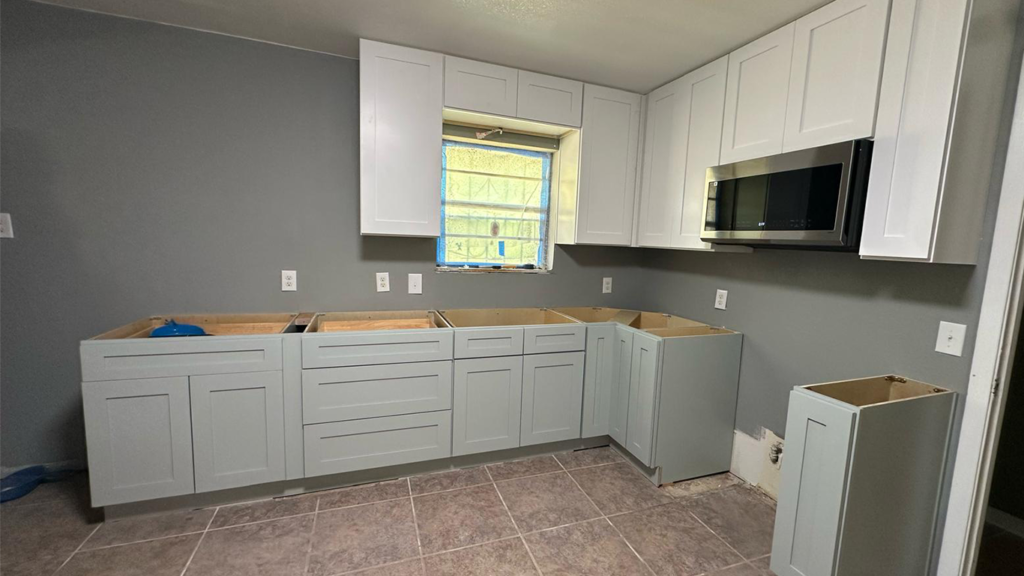
 

Kitchen Cabinets San Antonio

European Dark Wood Kitchen Cabinets:


For San Antonio homes where the kitchen connects to a dining or living area with natural materials, wood-tone cabinets read as intentional and warm in a way that painted cabinets simply cannot replicate. The grain texture adds depth that no painted finish achieves.

Our European Dark Wood cabinet uses a frameless box construction, meaning the door covers the full face of the cabinet without a visible face frame. This produces a cleaner, more seamless look when the doors are closed and provides marginally more interior storage than a framed American-style cabinet of the same dimensions.

For the full breakdown on this style, including countertop pairings, hardware choices, and how to use dark wood in a kitchen without it feeling heavy, see our guide: European Dark Wood Kitchen Cabinets: Design Guide, Costs, and Where to See Them in San Antonio.

Gray Shaker Cabinets

Gray held the top position in American kitchen design for most of the past decade and remains a strong choice for San Antonio homeowners who want something with more character than white but more flexibility than a bold color. Our Shaker Gray and Franklin Gray cover the range from light silver-gray to deeper cool gray, and both pair well with the quartz and stone countertop materials that are standard across most San Antonio renovations.

Shaker Cinder and Shaker Espresso

For homeowners who want something darker than gray without going to a full navy or a wood grain finish, our Shaker Cinder and Shaker Espresso are worth considering. Cinder reads as a sophisticated deep charcoal. Espresso is a warm dark brown that works particularly well in kitchens with warm-toned flooring and natural stone countertops.

Both are available in our showroom for in-person viewing.

Stock, Semi-Custom, and Custom Kitchen Cabinets: What the Difference Actually Means:


This is where a lot of buyers get confused, partly because suppliers use these terms inconsistently.

Stock Kitchen Cabinets

Stock cabinets are manufactured in fixed sizes and held in inventory, ready to ship or pick up immediately. They come in standard width increments, typically 3-inch steps from 9 inches to 48 inches wide, and standard heights. If your kitchen layout works with those dimensions, stock cabinets offer the fastest turnaround and the lowest price.

The tradeoff is flexibility. Gaps between cabinets and walls are filled with filler strips rather than cabinets sized to fit precisely. This works fine in most kitchens but can produce a less refined result in kitchens with unusual dimensions or specific layout requirements.

Semi-Custom Kitchen Cabinets

Semi-custom cabinets are built to order within a manufacturer’s range of available sizes and options. You can specify widths in 1-inch increments rather than 3-inch increments, choose from a wider range of finishes and door profiles, and often add interior accessories like pull-out shelves, drawer organizers, and specialty storage configurations.

About one-third of homeowners renovating their kitchens choose semicustom cabinets, making it the second most common choice after custom, according to Houzz research. For most San Antonio homeowners, semi-custom assembled cabinets represent the best balance of quality, customization, and cost. Houzz

Assembled Kitchen Cabinets vs. RTA

This distinction matters for your renovation timeline and your installation budget. Assembled kitchen cabinets arrive at your home or job site fully constructed and ready to install. The cabinet box is already built. Your installer attaches it to the wall and hangs the doors.

RTA, which stands for ready to assemble, cabinets ship flat-packed. The buyer or their installer puts the box together on site before installation can begin.

According to The Family Handyman, RTA cabinets start at around $2,000 shipped for a standard kitchen, while installation typically costs $1,500 to $3,000 on top of the cabinet cost. Assembled cabinets cost more upfront but reduce job site labor significantly. For most San Antonio homeowners working with a contractor on a defined schedule, assembly is the more practical choice. Family Handyman.
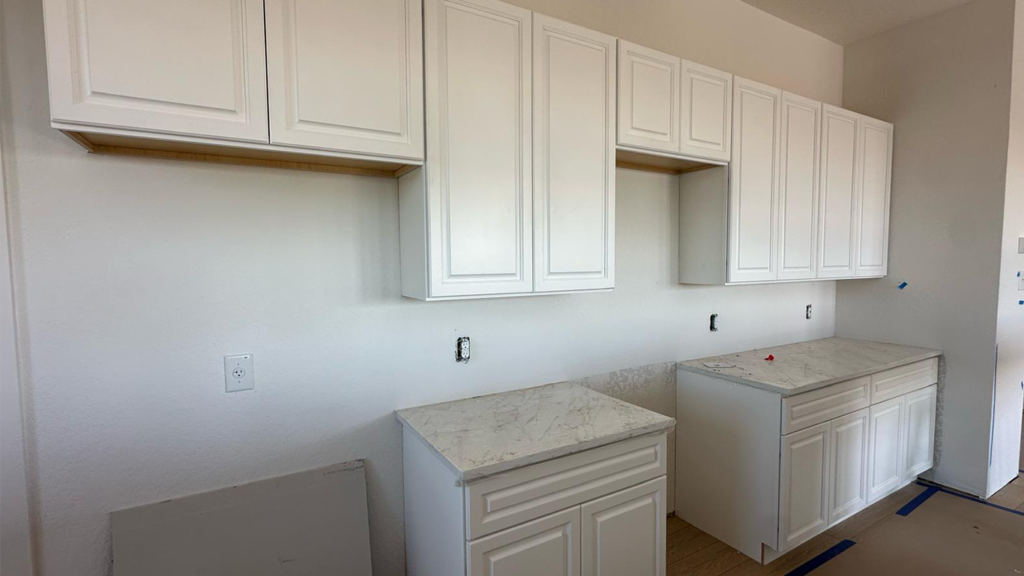
beautifully designed shaker cabinets- Kitchen Cabinets San Antonio

Full Custom Kitchen Cabinets San Antonio:


Full custom means the cabinets are built specifically for your kitchen, in whatever dimensions your space requires. There are no standard sizes, no filler strips, and no compromises on configuration. Custom is the right choice when your kitchen has an unusual layout, ceiling heights that don’t match standard cabinet sizes, or when you want interior configurations that semi-custom manufacturers do not offer.

Custom kitchen cabinets in San Antonio cost more and take longer. If your kitchen works well with standard dimensions and your renovation timeline is defined, semi-custom assembled cabinets will almost certainly serve you just as well at a meaningfully lower price.

We at Cabinet Bazaar can walk you through exactly which option fits your kitchen during a free design consultation at our showroom. There is no obligation. You leave with a clear recommendation based on your actual measurements and budget.

How Much Do Kitchen Cabinets Cost in San Antonio?


This is the question most buyers have before any other, and it deserves a straight answer rather than a range so wide it tells you nothing.

Stock Cabinet Cost Range

For a standard San Antonio kitchen, stock cabinets run from roughly $3,000 to $8,000 for the cabinet units alone. Retailers and manufacturers typically base minimum pricing on a 10-foot by 10-foot kitchen, with standard kitchen cabinets from a home improvement store ranging from $1,500 to $7,000 for that footprint. A larger kitchen or a more complex layout with an island, pantry tower, or corner units will push the cost toward the upper end of this range or beyond it. Family Handyman

Semi-Custom Assembled Cabinet Cost Range

Semi-custom assembled cabinets in San Antonio typically fall between $8,000 and $15,000 for a full kitchen, depending on size, configuration, and the specific finish and interior options chosen. This is the range where most Cabinet Bazaar buyers land, and it is where the quality difference over stock becomes clearly visible in the construction.

Full Custom Kitchen Cabinet Cost Range

Expect to pay $30,000 or more at a custom cabinet shop or high-end custom kitchen designer for a fully custom project. For San Antonio homeowners with larger kitchens, non-standard layouts, or high-end finish requirements, this number is realistic. For most renovation projects, it is more than necessary. Family Handyman

What Drives the Cost Beyond the Cabinet Price

The cabinet price is only one number in the total project cost. Here is what else to account for before you finalize a budget.

Countertops: Quartz countertops in San Antonio run from $50 to $120 per square foot installed, depending on the material and edge profile. A standard kitchen can easily add $3,000 to $8,000 to the project total from countertops alone.

Hardware: Drawer pulls and cabinet knobs range from $3 to $40 per piece, depending on finish and quality. A full kitchen with 30 to 50 hardware pieces adds $150 to $2,000, depending on what you choose.

Professional installation: Installation for kitchen cabinets in San Antonio typically runs $1,500 to $4,000, depending on kitchen size and layout complexity. Frameless European cabinets require more precision during installation and tend toward the higher end of this range.

Plumbing adjustments: If your new cabinet layout moves the sink location or requires plumbing changes, add $500 to $2,000, depending on complexity.

The Hidden Costs Most Buyers Discover Mid-Project

These are the line items that catch buyers off guard most often.

Filler strips and trim pieces: Gaps between cabinet runs and walls require fillers. Corner cabinets require specific transition pieces. Crown molding for upper cabinets is a separate material cost. These items are rarely included in a basic cabinet quote.

Under-cabinet lighting: If your current kitchen does not have under-cabinet lighting and you want to add it, plan for this before installation rather than after. The wiring is far easier to handle before the cabinets go up.

Inside finish on cabinets with glass doors: If you choose any glass-front upper cabinets, the inside of adjacent cabinets needs a finished interior. This is an upcharge that many buyers do not factor in.

A Realistic All-In Budget for San Antonio

A complete kitchen cabinet project in San Antonio, covering assembled semi-custom cabinets, countertops, hardware, and professional installation, realistically starts at $12,000 to $15,000 for a modest kitchen. Mid-range projects in larger San Antonio kitchens with quality assembled cabinets and stone countertops typically run $20,000 to $35,000 all-in. Custom projects in larger homes can exceed $50,000 when full custom cabinets, premium stone, and high-end appliances are part of the same renovation.

Having a realistic all-in number before your first showroom visit is genuinely useful. It helps our design team recommend the right product tier from the start rather than showing you options that do not fit what you are working with.

Kitchen Cabinet Financing in San Antonio

A full kitchen renovation is a significant investment, and financing allows you to make the right decision for your home rather than a compromised decision based on what you can pay in a single amount right now.

Why Financing a Full Project Makes More Sense Than a Partial Upgrade:


The most common mistake in kitchen renovation budgeting is splitting the project into phases to manage cost. New cabinets installed alongside old countertops that will be replaced “later” rarely works as intended. The later replacement costs more because the countertop fabricator must work around existing cabinets rather than templating in a clean space. The kitchen looks unfinished for months or years. And the disruption of a second renovation round is significant.

Financing the full project upfront, cabinets, countertops, and installation together, produces a better result at a lower total cost than phasing it.

How to Estimate a Monthly Payment Before You Visit

A rough rule of thumb: at current financing rates, a $15,000 kitchen project financed over 36 months carries a monthly payment in the range of $400 to $500 depending on the interest rate and your credit profile. A $25,000 project over 48 months runs approximately $550 to $700 per month. These are estimates, not quotes, but they give you a practical sense of what a financed project costs monthly before you commit to a specific product tier.

Financing Options Through Cabinet Bazaar

We at Cabinet Bazaar offer financing options for San Antonio buyers who want to move forward with the right project without paying the full cost upfront. Visit our showroom at 5601 Bandera Road or call us at 1 (210) 773 2799 to discuss the specific financing structures currently available and find a payment plan that fits your situation. We can also point you toward our free design consultation as a first step, where our team builds a detailed project plan and cost estimate before you make any financial commitment.

Cabinet Construction Quality: What Separates Good from Average

Two cabinets can look identical in a photograph and perform very differently over ten years of daily use. The construction details that matter are not always visible until something goes wrong.

Plywood Box vs. MDF Construction

The cabinet box, meaning the sides, bottom, top, and back panels, is where construction quality lives or dies. Plywood boxes resist moisture, hold screws more reliably over time, and maintain their structural integrity better than medium-density fiberboard boxes under normal kitchen conditions.

MDF boxes are less expensive to manufacture and perform acceptably in dry environments, but they are more susceptible to swelling near sinks and dishwashers. In San Antonio’s climate, with its humidity variation between summer and winter, plywood box construction is the more durable long-term choice.

According to This Old House, semi-custom and custom options typically step up to plywood boxes with solid wood doors featuring mortise-and-tenon joinery, giving Shaker details sharper definition compared to stock options built on MDF or particleboard. All Cabinet Bazaar cabinets are built with plywood box construction as standard. This Old House

Dovetail Drawer Joints

A dovetail joint is a woodworking connection where interlocking trapezoidal shapes lock two pieces together mechanically. A drawer box built with dovetail joints at the corners will outlast a stapled or dowel-joined drawer box significantly, because the joint resists the racking force that drawers experience when pulled open repeatedly over years of use.

This is a detail you can check in any showroom by looking at the corner of an open drawer. If you see the characteristic wedge-shaped interlocking pieces, the drawer box is dovetail-joined. If you see staples or dowels, it is not.

Soft Close Hardware

Soft-close hinges and drawer slides use a hydraulic mechanism that slows the door or drawer in the final inch of closing travel. The door decelerates and closes completely without slamming. You push it to within an inch of closing, and the mechanism does the rest.

Shaker-style cabinet doors often cost less than raised panel or inset styles, which means the budget for soft-close hardware is often easier to accommodate in a shaker-style kitchen than in a more elaborate design. At Cabinet Bazaar, soft-close hardware is standard on every kitchen cabinet and bathroom vanity we sell. It is not a premium upgrade. It is the baseline. Houzz

Full Overlay Doors

A full overlay door covers the full face of the cabinet box, leaving only a small gap between adjacent doors. This produces the clean, furniture-like appearance that most buyers are looking for in a modern kitchen. It is the door style used on virtually every kitchen cabinet we carry.

The alternative, partial overlay, leaves more of the cabinet frame visible between doors. It is a less refined look and is primarily seen on older or lower-cost cabinet lines.
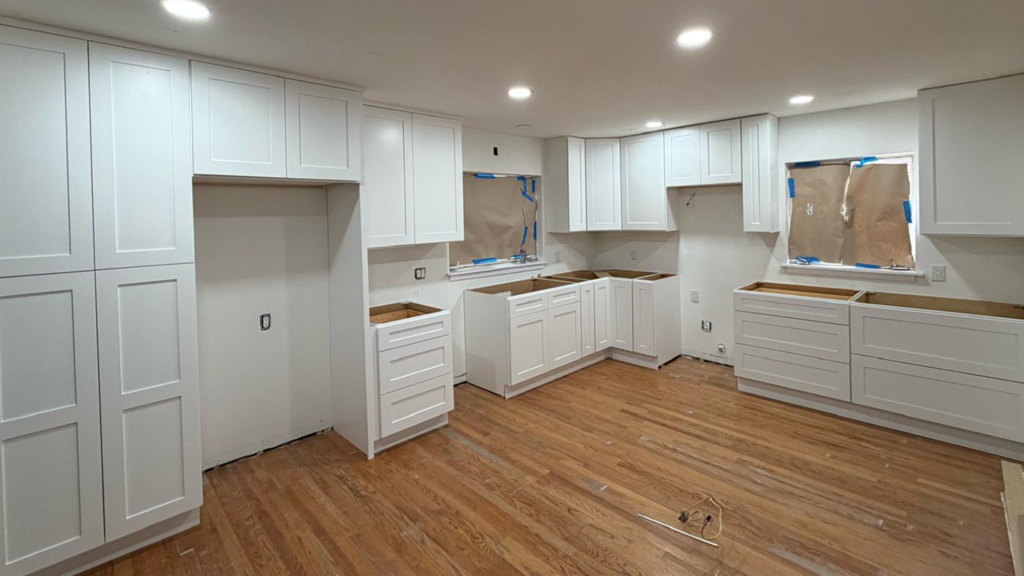
What to Look for When You Visit a Kitchen Cabinet Showroom in San Antonio:

We hear from buyers regularly who say they ordered cabinets online and were disappointed when they arrived. The most common reason is that the finish looked different in person than it did in the product photograph. The second most common reason is that the quality of the hardware did not match the quality implied by the price.

Both problems are avoidable if you see the product in person before ordering.

Five Things to Check Before Placing Any Order

  1. Open and close the doors and drawers. Check that the soft close mechanism engages smoothly and that the door closes flush without wobbling. Doors that feel loose or uneven in a showroom will feel worse after installation.
  2. Look at the cabinet box interior. Pull open a base cabinet and look at the sides, bottom, and back. Plywood shows a cross-grain pattern on the edges. MDF is a uniform gray-brown with no grain. You can tell the difference immediately once you know what to look for.
  3. Check the drawer box corners. As described above, look for dovetail joinery at the corners of drawer boxes. This takes five seconds and tells you a great deal about the overall construction standard.
  4. View the finish under different lighting. Showrooms use a combination of natural and artificial light. Look at the cabinet door color near a window and under overhead LED lighting. Some finishes shift noticeably between the two. White cabinets are particularly prone to this, and seeing them in person removes the guesswork.
  5. Ask about lead times and what is in stock. For an active renovation with a contractor schedule, knowing whether your chosen cabinets are available from current inventory or require a production run makes a significant difference in project planning.

What to Bring to Your Showroom Visit

Your kitchen measurements. Width and height of each wall with cabinets, ceiling height, window and door locations, and the distance between appliance locations. Our design team can work with rough measurements and refine them, but having something to start with makes the consultation much more productive.

A photo of your current kitchen. Even a phone photo helps our team understand what you are starting with and what the renovation needs to address.

Your countertop sample or reference if you have one. If you have already chosen a countertop material, bringing a sample or a photograph to compare against cabinet finishes saves a significant amount of back-and-forth.

A realistic budget range. Not a specific number you are locked into, just a range. Knowing whether you are working with $10,000, $20,000, or $40,000 helps our team direct you toward the right product tier from the start of the conversation.

The Questions Most Buyers Forget to Ask

“Is this finish a standard stock color or a custom order?” Standard colors ship faster. Custom colors take longer and sometimes cost more.

“What is the warranty on the cabinet box and hardware?” Quality assembled cabinets typically carry a one to five year warranty on construction defects. Hardware warranties vary by manufacturer.

“Does installation include adjustment after the countertops go in?” Cabinet doors sometimes need minor adjustment after countertops and appliances are installed. Knowing whether this is included in your installation quote prevents a later dispute.

Why We at Cabinet Bazaar Are the Kitchen Cabinet Store San Antonio Trusts

There are a number of places to buy kitchen cabinets in San Antonio. What we at Cabinet Bazaar offer that the big box stores and online-only suppliers cannot is a combination of real product you can see in person, design expertise that is specific to your kitchen, and service that continues through delivery and installation rather than ending at the point of sale.

Our San Antonio Showroom Locations

We operate two locations in San Antonio.

Our main showroom is at 5601 Bandera Road, San Antonio, TX 78238. This is where you can view our full range of kitchen and bathroom cabinet styles, meet with our design team, and work through a detailed cabinet plan for your specific kitchen.

Our warehouse is at 5634 Randolph Boulevard, San Antonio, TX 78233. This location handles assembly, staging, and delivery coordination for the San Antonio and Central Texas area.

You can reach our showroom team at 1 (210) 773 2799 during business hours. Walk-ins are welcome. For a dedicated design session, booking a time through our online calendar ensures you have uninterrupted time with one of our designers.

We also serve homeowners across the wider San Antonio region, including Stone Oak, Alamo Heights, New Braunfels, Boerne, Helotes, Schertz, and Bulverde.

Free 3D Kitchen Design Consultation

Before you spend anything, our design team will work through your kitchen layout, your measurements, your style preferences, and your budget with you. We produce a 3D design that shows you what your kitchen will look like with the cabinet configuration we recommend. This service costs nothing. It exists because buyers who see a clear plan before ordering make better decisions and end up with kitchens they are genuinely happy with.

Book your free consultation here.

Our Construction Standards

Every kitchen cabinet and bathroom vanity we sell at Cabinet Bazaar is built to the same baseline: plywood box construction, dovetail drawer joints, soft close hinges and drawer slides, and full overlay doors. These are not tier-specific features. They apply to every product in our showroom.

Delivery, Assembly, and Installation

We deliver anywhere in Texas. For San Antonio buyers, we coordinate delivery directly to your home or job site on a schedule that works with your contractor. Our assembly service handles any flat-pack preparation before delivery if needed. Our installation team fits cabinets with the precision a project of this investment deserves.

Our Contractor Program

If you are a contractor, designer, or remodeler working on client projects in the San Antonio area, we at Cabinet Bazaar offer a structured contractor program with trade pricing, priority scheduling, and delivery terms designed around project volume. Contact us to discuss the program and how it fits your business.

For everything related to bathroom cabinetry and vanity selection, our detailed Bathroom Cabinets Guide covers materials, space-saving configurations, and buying tips specific to San Antonio bathrooms.


Come See It in Person Before You Decide:

Reading about cabinet finishes and construction standards only gets you so far. The decisions that matter most, which white works with your countertop, whether the navy blue reads as rich or flat under your kitchen lighting, whether the drawer action feels the way you want it to for the next fifteen years, those are decisions that require being in the room with the actual product.

We at Cabinet Bazaar carry real stock in a real showroom that you can visit today. Our design team is not there to sell you the most expensive option. They are there to help you figure out what works for your kitchen, your home, and your budget.

Visit us at 5601 Bandera Rd, Suite 100, San Antonio, TX 78238, call us at 1 (210) 773 2799, or email us at info@cabinetbazaar.com. You can also book a free 3D design consultation online and let us put a real plan together before you commit to anything.

Your kitchen deserves a product that performs as well on day five thousand as it did on day one.

FAQs:

1. What kitchen cabinet styles are most popular with San Antonio homeowners right now?

White shaker cabinets remain the most requested style across San Antonio because they work in virtually every home, pair with nearly every countertop material, and hold their resale appeal better than most alternatives. Navy blue shaker cabinets have become the top choice for homeowners who want a stronger design statement without committing to a color that will feel dated within a few years. European dark wood cabinets are growing steadily in popularity, particularly in open-plan San Antonio homes where the warmth and grain texture of the finish adds depth that painted cabinets cannot replicate.

2. How much do kitchen cabinets cost in San Antonio?

Stock kitchen cabinets for a full San Antonio kitchen typically range from $3,000 to $8,000 for the cabinets alone, not including countertops, hardware, or installation labor. Semi-custom assembled cabinets, which offer more flexibility in sizing and finish, generally fall between $8,000 and $15,000, depending on kitchen size and configuration complexity. Full custom kitchen cabinets can exceed $20,000 and are best suited for non-standard layouts or homeowners with very specific design requirements that stock sizing cannot accommodate.


Shopping Cart

shopping cart

Product Description Quantity Action
Your cart is currently empty.
Checkout